Malawi has few natural resources apart from its soils, its water and its people. In 2025 Malawi is the 6th poorest country in the world. Whilst the population is growing the soil is becoming increasingly degraded over time and erosion is a problem. Rainfall is increasingly erratic and unreliable. At any one time the rains can be be either insufficient or excessive.
Agricultural exports include tobacco, tea, coffee, sugar, cotton, soya, sesame and macadamia nuts. Tobacco accounts for some 60+% of exports into a declining market. Getting products to market is very expensive making it difficult for Malawian products to be competitive. These problems have existed since the early days of colonialism when planters tried to cash in on the coffee and tea boom. The increase in population and climate change have exacerbated matters.


Skills training and the provision of tools replace reliance on agriculture, and remove the economic threat posed by climate change. It is therefore vital that TWAM develops its long term sustainable work in Malawi.
In November the first container from TWAM named ‘Florence’ arrived in Malawi after a long (in both time and distance) journey. The container is managed by Pastor Yunusu Banda at Livingway Education. From here many tools are on their way to projects throughout Malawi, including the very poorest region The Lower Shire Valley.
December 2026
The Lower Shire charity, Pashello, collect the allocated tools from Pastor Yanusu

January 2026:
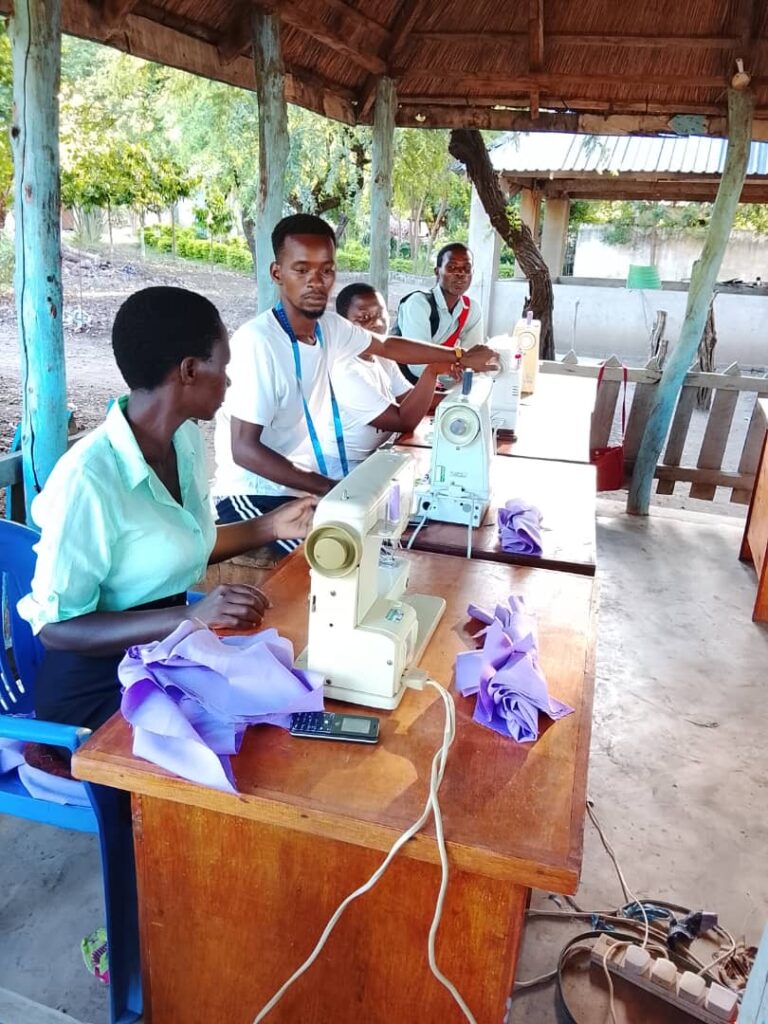
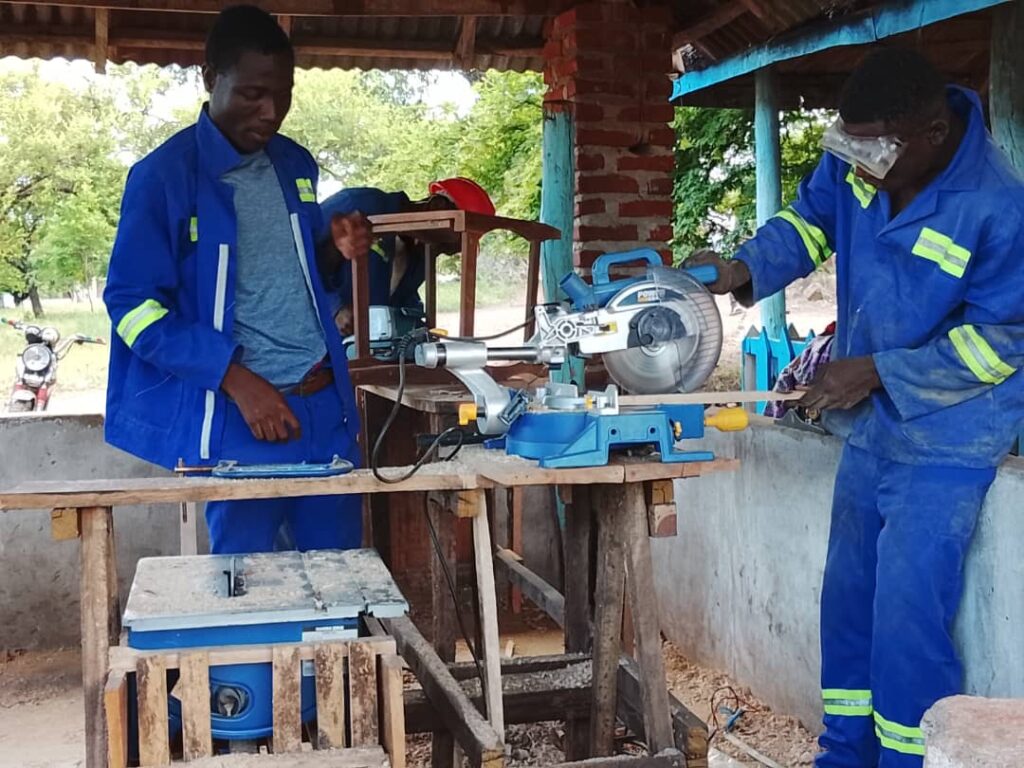
Tools arrive in the Lower Shire and are put to good use at the Pashello campus